

Home › Cycling & New Mobility
E-scooters capped at 25 km/h, electric bikes, purchase grants or the FNUCI anti-theft marking: this hub brings together five content families for anyone who cycles, rides a personal light electric vehicle (PLEV) or wants to fund their sustainable transport—from the 14-year-old secondary-school pupil to the employee who bikes to work every morning.
Key takeaways in 3 points:
- You can ride an e-scooter from the age of 14 without a licence, but it is speed-limited to 25 km/h and must be covered by third-party insurance since 2019.
- The sustainable mobility allowance is optional for employers: there is no legal obligation to pay it to cycling employees.
- Since 1 January 2021, every new bike over 16 inches sold by a professional must carry a unique identifier registered on the FNUCI (French national register of identified cycles).
E-scooters and PLEVs: the regulations at a glance
Riding an e-scooter on public roads is allowed from the age of 14, no licence required: it falls into the category of personal light electric vehicles (PLEVs), alongside electric unicycles and hoverboards. The construction limit is set at 25 km/h. Exceeding this makes the vehicle “de-restricted” and the rider liable to a fine, plus possible confiscation.
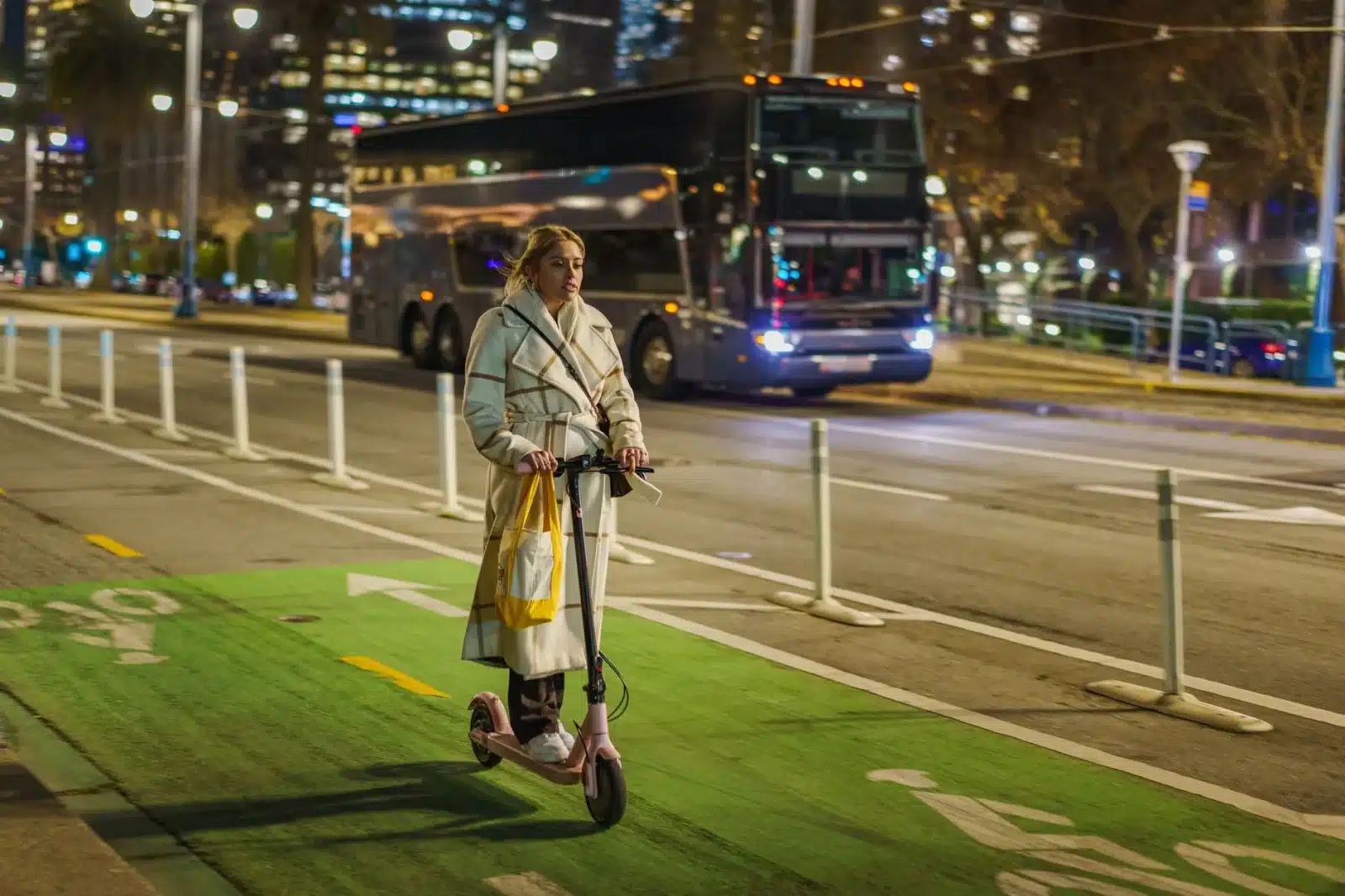
Third-party insurance has been compulsory since 2019, just like any motorised vehicle: riding without it leaves you open to legal action if you cause an accident. Helmets are not mandatory for adults, but they are for riders aged 14–18 (since October 2019). A bill tabled in September 2025 seeks to extend this to all users; it is still in committee and not yet in force.
Other PLEVs (electric unicycles, monowheels, hoverboards) broadly follow the same rules: pavements are off-limits unless the local authority explicitly allows them at walking pace; cycle paths must be used where they exist, otherwise roads with a 50 km/h speed limit. Obstructive parking on a pavement carries a separate fine from the one for de-restriction—two distinct offences often confused by riders.
On the equipment side, the Highway Code requires an effective braking system, an audible warning device, a front light, a rear light and side reflectors—unless the tyres are already reflective. The E-scooters & PLEVs section sets out the full regulations, applicable penalties and local variations.
Purchase grants: bike bonus, sustainable mobility allowance and local subsidies
An electric bike or e-scooter often costs less than it seems once grants are stacked. The sustainable mobility allowance lets employers contribute to cycling commutes, but they are under no obligation to do so: it is an optional benefit, not an employee entitlement.
On top of this scheme come the national bike bonus and local grants from regions, departments or municipalities, whose amounts vary widely. Before buying, it pays to check what your local authority offers rather than relying on the national scale alone.
These grants rarely stack without conditions: income ceilings for the national bonus, minimum seniority for the sustainable mobility allowance, proof of purchase or maintenance invoice for the local grant. An incomplete file can delay payment by weeks, so it is better to assemble the paperwork before buying rather than after. The Purchase grants section details amounts, income thresholds and the steps for each scheme.
Electric bikes: budget, range and day-to-day maintenance
An electric bike transforms an 8–10 km commute: hills no longer intimidate, and you arrive at the office without breaking a sweat. The real cost goes beyond the purchase price: batteries to recharge, tyres that wear faster under the motor’s weight, brakes that take more strain than on a conventional bike.
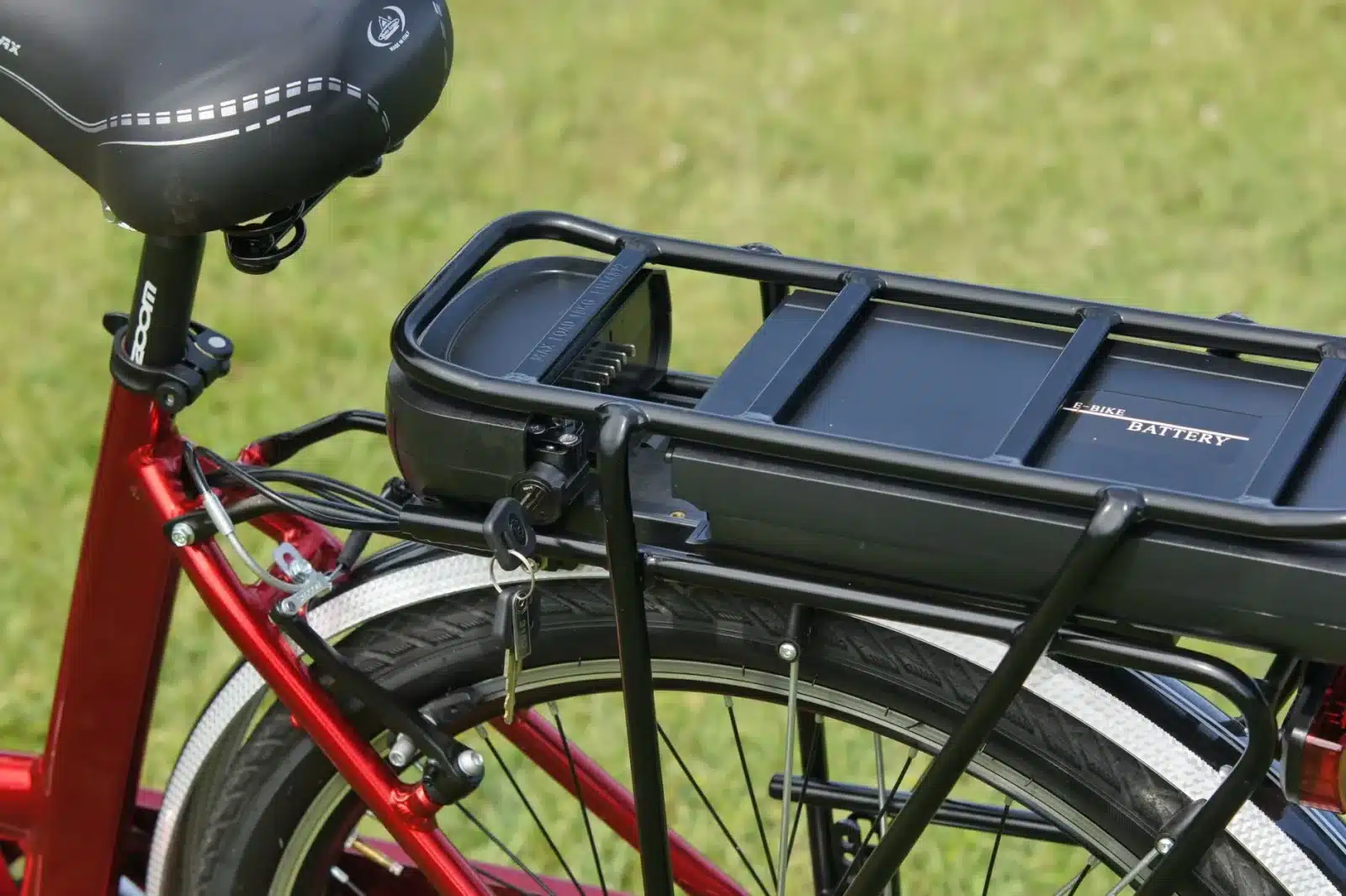
Real-world range depends on gradient, rider weight and assistance mode far more than the manufacturer’s spec sheet. On hilly routes, the gap between claimed and actual range can be significant.
Battery replacement is often the biggest maintenance cost over an electric bike’s lifetime, well ahead of tyres or brake pads. Regular full charges rather than repeated partial cycles extend its useful life. On a model with hydraulic brakes, servicing generally costs more than with rim brakes, but the extra stopping power justifies the choice on a heavier, faster bike. Buying guides, motor comparisons and maintenance tips are gathered in the Electric bikes section.
Equipment and anti-theft: the FNUCI marking makes a difference
Since 1 January 2021, every new bike over 16 inches sold by a professional must carry a unique identifier, engraved or labelled, registered on the FNUCI (French national register of identified cycles). If stolen, this number speeds up the return of recovered bikes and makes black-market resale harder.
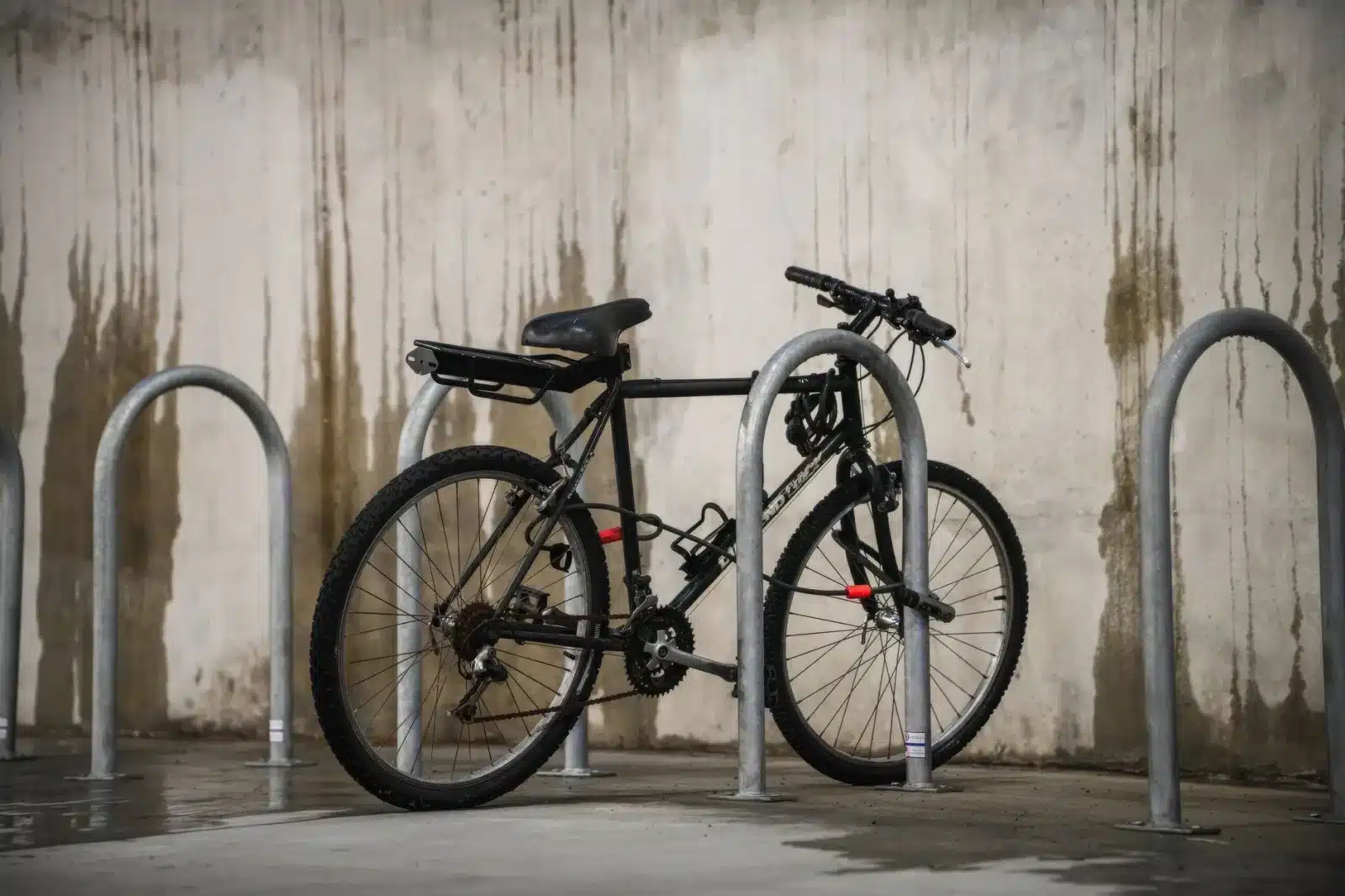
A good U-lock or thick chain is not always enough: the choice of anchor point, how visible the parked bike is and the time of day matter just as much as the lock’s security rating.
If your bike is stolen, the first step is to file a police report, quoting the FNUCI number engraved on the frame: this number lets the police match a recovered bike to its theft report, even months later. Some home insurance policies cover bike theft as an optional extra, provided the lock used at the time meets the minimum security level required by the policy. Anti-theft tests, recommended models and the exact steps to take after a theft are set out in the Equipment & anti-theft section.
Bike commuting: organising your home-to-work journey
Bike commuting is not just about hopping on your bike on a spring morning. Rain, safe routes, parking at the office, showers or no showers—every detail affects how consistently you ride, far more than the bike’s performance.

Compared with a public-transport season ticket or car fuel, bike commuting cuts your monthly travel budget significantly, even after factoring in bike maintenance and wet-weather gear.
Winter changes everything: shorter days, wet or icy roads, poor lighting on some stretches. A reflective vest, wider tyres and powerful lights often make more difference than a top-end bike during this season. Many bike commuters switch between a conventional bike and an electric one depending on the season, or temporarily switch to public transport on the most exposed stretches. The Bike commuting & practice section brings together route advice, clothing tips and organisational hacks to keep the routine going all year.
Bike, e-scooter or shared mobility: which mode for which journey
The choice is not just about distance. For trips under 3 km in a dense city centre, a shared e-scooter is often more convenient than a bike you have to park and keep an eye on. For a regular 5–15 km journey, a personal electric bike quickly pays for itself compared with repeated rentals.
Gradient matters as much as distance: an e-scooter struggles up a steep hill at full load, whereas an electric bike handles it effortlessly. For a mixed journey—part public transport, part folding bike—weight and bulk count more than top speed. Secure parking at the destination is often the deciding factor between two options with similar budgets.
Cycling: a national policy that encourages pedalling
The proliferation of local and national grants is no accident. France is betting on cycling and active mobility as a cornerstone of its 2023–2027 transport policy, with a stated goal of expanding cycle paths and supporting domestic bike production over imports.
This momentum is also visible at trade shows dedicated to urban mobility, which showcase new electric models, connected anti-theft systems and secure parking solutions every year. Several French bike and e-scooter brands are leveraging this context to develop local manufacturing—a selling point that increasingly influences purchase decisions alongside price and range.
For individuals, this momentum translates into more choice from French manufacturers and more cycle paths on their daily routes. The right section depends on the immediate need: PLEV regulations to follow, a purchase to fund, an electric bike to maintain, a bike to protect from theft or a bike commute to organise for the long haul.