

Home › Fuels & Fuel Consumption
France’s fuel consumption has dropped by around 12 % in a year. Yet filling up remains the single biggest expense on a 900 km trip south or a weekly top-up in town. This guide covers fuel choices (LPG, CNG, hydrogen, E85), pump prices, and the habits that really cut consumption day-to-day.
Key takeaways:
- LPG and CNG cut the cost per fill-up, provided you recoup the conversion or the premium on a dedicated model.
- Comparing stations before you set off can make a real difference to the price of a full tank, especially on motorways.
- A good chunk of excess consumption comes from overlooked mechanical faults, not just driving style.
LPG, CNG and hydrogen: which fuel for which use?
For a van clocking up miles all week in the city, CNG is a game-changer: cheaper per kilo at the pump, fewer exhaust particulates, and enough range for a full delivery round. LPG appeals more to drivers who cover long distances outside major cities and want to recoup the cost of a conversion in two or three years. Hydrogen, meanwhile, remains a niche option in 2026: a handful of commercial fleets, some taxis in certain cities, and a network of filling stations still sparse outside main routes. Budget-wise, you also need to factor in the higher upfront cost of a factory-fitted LPG model, or the price of converting an existing vehicle, before working out how many miles it will take to break even.
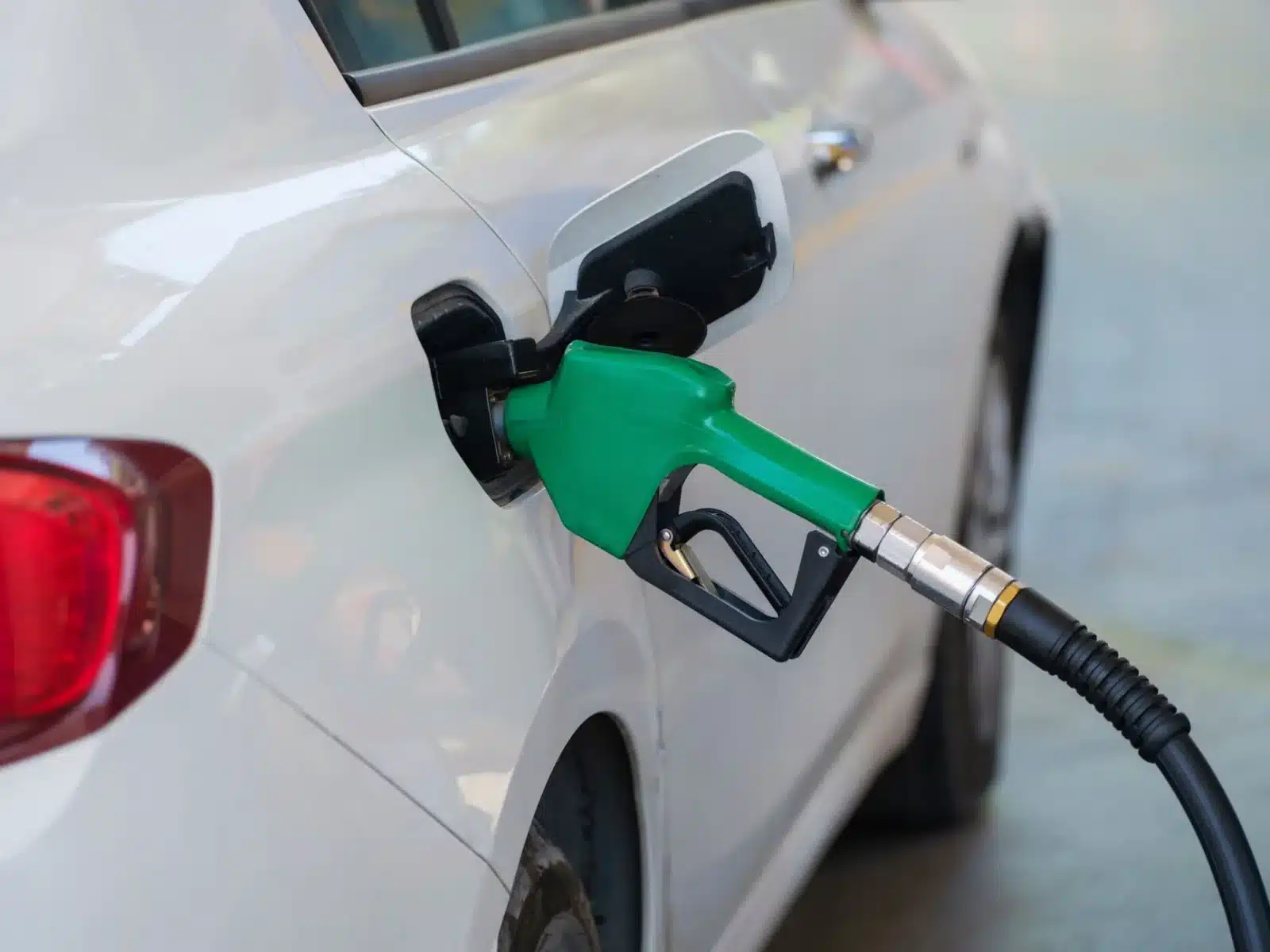
Before committing to a conversion that often exceeds €2,000, it’s worth comparing compatible models and checking the availability of CNG stations along your usual route.
Fuel prices and stations: tracking the pump without wasting time
A 60-litre fill-up can vary by several euros from one station to the next, sometimes just a few miles apart. On motorways, the gap widens further: service stations on motorway networks are structurally more expensive than those in retail parks just off the exit. Before a long trip, a five-minute detour to leave the motorway can easily pay for the time lost.
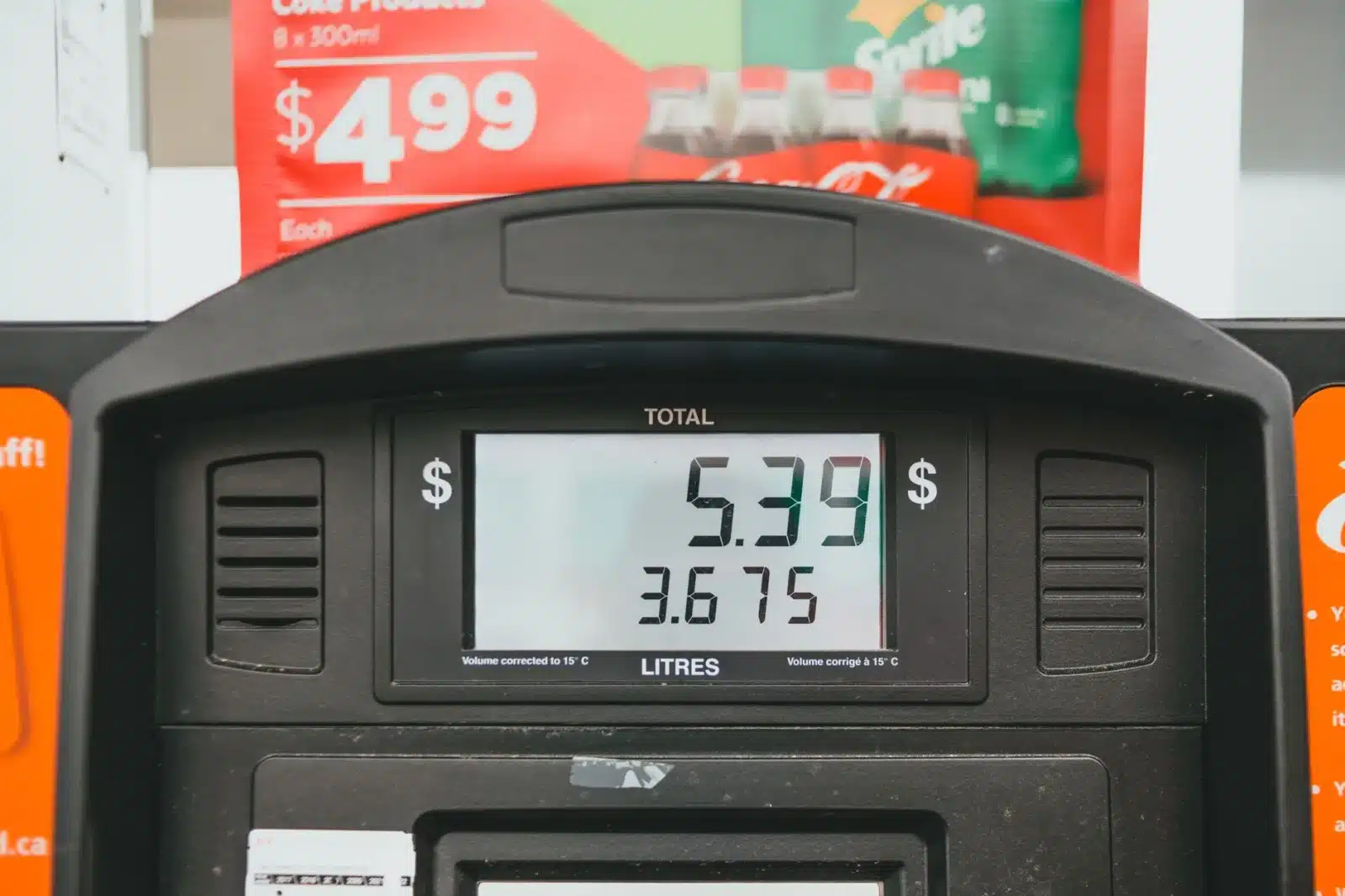
The differences also widen depending on the day of the week and the time of year: prices often rise ahead of a holiday weekend, and some chains regularly slash prices at the start of the school year to draw customers to their shops. Filling up two days earlier, or at a slightly out-of-the-way station, can save several euros without changing a single driving habit.
Spotting the cheapest stations near you, comparing diesel and unleaded by region, avoiding the trap of filling up on the motorway just before a holiday—these simple habits alone can cut costs without switching vehicles.
Cutting fuel consumption day-to-day: the habits that really count
On a 400 km trip with two bikes on the roof, consumption can easily jump by 1.5 to 2 litres per 100 km due to aerodynamic drag alone. But most excess consumption often comes from elsewhere: a clogged air filter, tyre pressure that hasn’t been checked for months, or a mechanical fault that goes unnoticed in daily driving.
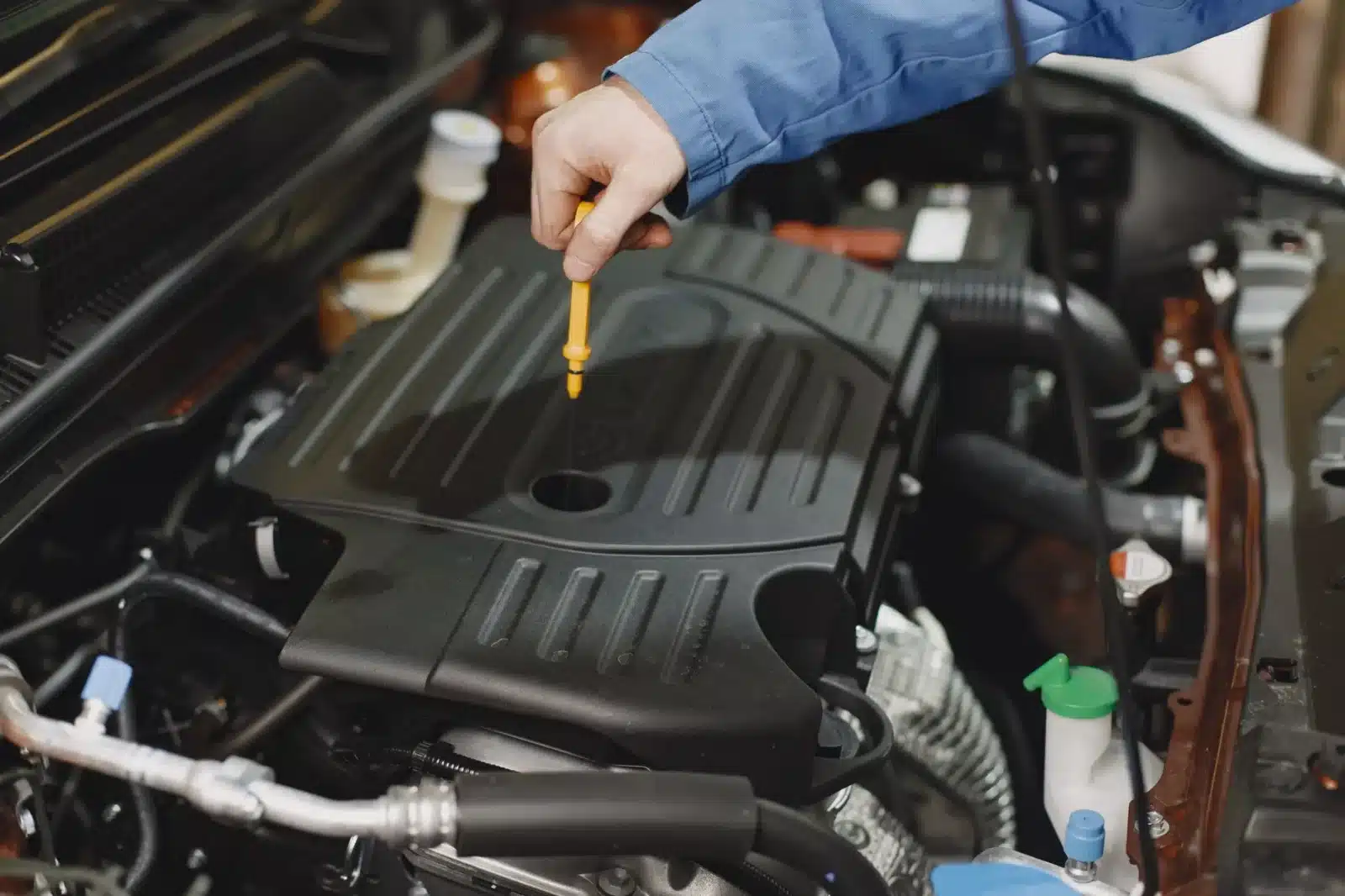
Some engines are known for burning oil, a sign of wider wear that pushes up overall costs—not just fuel. The Fiat Panda’s TwinAir can guzzle up to a litre of oil every 5,000 km, the first-generation Nissan Juke’s 1.6 DIG-T 190 has a similar reputation for turbo issues, and several engines in the Skoda Fabia or early Peugeot 3008 are just as notorious. A faulty lambda sensor warning light on the dashboard should also ring alarm bells: this sensor throws off the air-fuel mix and increases consumption without warning, long before the engine shows other symptoms.
Driving style matters too, but less than you’d think once maintenance is up to scratch. Proper tyre pressure, switching off the air conditioning below 50 km/h in town, and smoother acceleration can save half a litre per 100 km on most modern cars—without changing your route or vehicle.
Step by step, model by model, it’s these maintenance details that really cut the cost per litre—long before any changes to driving style.
E85 and conversions: running on bioethanol without losing out
For a driver covering 20,000 km a year, an E85 conversion kit pays for itself quickly: the litre costs significantly less than SP95, even if consumption per 100 km rises slightly due to ethanol’s lower energy content. On a saloon used mainly for long-distance driving, the price difference more than offsets this small increase in consumption.
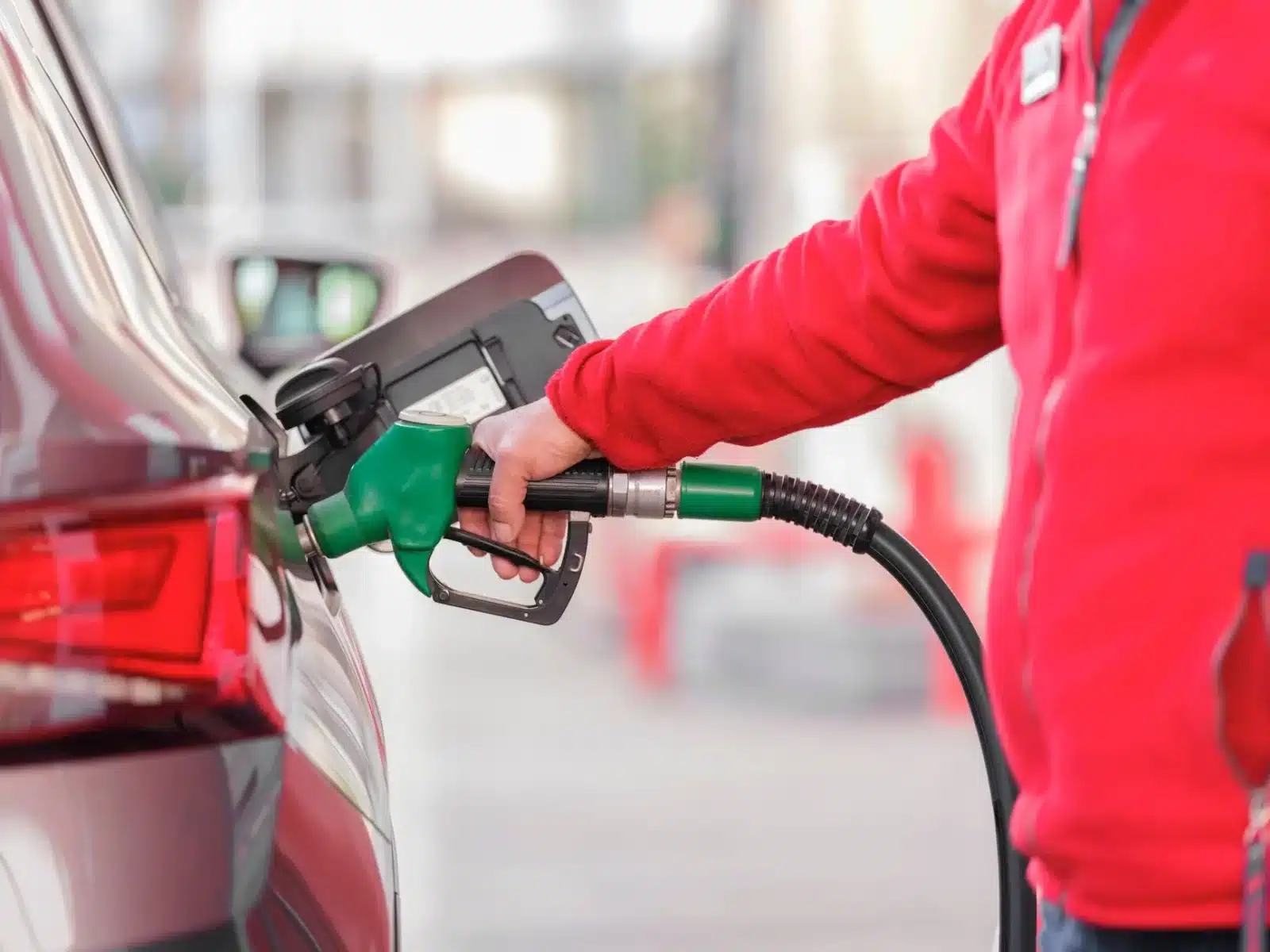
Not all engines handle the conversion equally well, and some direct-injection models require more frequent maintenance to avoid valve fouling. The choice of approved conversion kit and the points to watch after switching to bioethanol depend directly on the original engine.
LPG, CNG, hydrogen or E85: a quick comparison
Before diving into each option in detail, here’s how the four fuels stack up against each other.
| Fuel | What it changes day-to-day | What to check before committing |
|---|---|---|
| LPG | Cheaper fill-ups, range similar to a conventional petrol engine | Cost and lead time for conversion, availability of stations on your usual route |
| CNG | Significantly cheaper per kilo for high-mileage drivers, well-suited to fleets and commercial vehicles | Network of stations still concentrated around major cities |
| Hydrogen | Fill-up time close to conventional fuels, decent range | Very limited station network in 2026, limited vehicle choice |
| E85 | Litre significantly cheaper than unleaded, conversion kit quickly pays for itself for high-mileage drivers | Check engine compatibility, slightly more frequent maintenance |
France’s fuel consumption has been falling since 2024
The rise in oil prices has changed habits faster than any awareness campaign. By spring 2026, France’s road fuel consumption had dropped by around 12 % year-on-year—a decline that even reaches 14 % in some measurements over the same period. Across 2024 as a whole, total consumption of petroleum products in France had already started to fall by around 3.4 %. The government has introduced targeted support to cushion the impact on households most dependent on cars, but the underlying trend remains: driving costs more, and journeys are adjusting accordingly—from more frequent car-sharing to detours to find the cheapest filling station.
Choosing the right fuel strategy for your needs
The best choice depends mainly on annual mileage and the type of journeys. A city driver covering 6,000 km a year in Paris will never recoup an LPG conversion, even with the cheaper litre price. A tradesperson clocking up 30,000 km a year on country roads, however, will break even in less than two years.
Regulations also play a part. In low-emission zones, a recent LPG or CNG vehicle often qualifies for a better Crit’Air sticker than an equivalent diesel, which matters if you drive through a major city daily. This factor can sometimes tip the balance as much as the cost per litre.
Before making any changes, check your vehicle’s mechanical condition first. An engine already burning too much oil or fuel due to an undetected fault will skew all cost calculations—LPG or not.
The best fuel is the one that matches your real journeys—not the latest promise.