

Electrifying Your Professional Fleet: The Guide to Choosing the Right Electric Van in 2026
2026, and electric vans finally offer ranges that make sense—provided you pick the right model. Between a Renault Kangoo, which will do the job for urban deliveries, and a Mercedes eSprinter, built for long-haul routes, the choice depends on your actual needs, not the manufacturer’s figures. Here’s how to avoid the pitfalls of discontinued incentives and set up charging without blowing your budget.
1. Real-World Range: What WLTP Figures Don’t Tell You
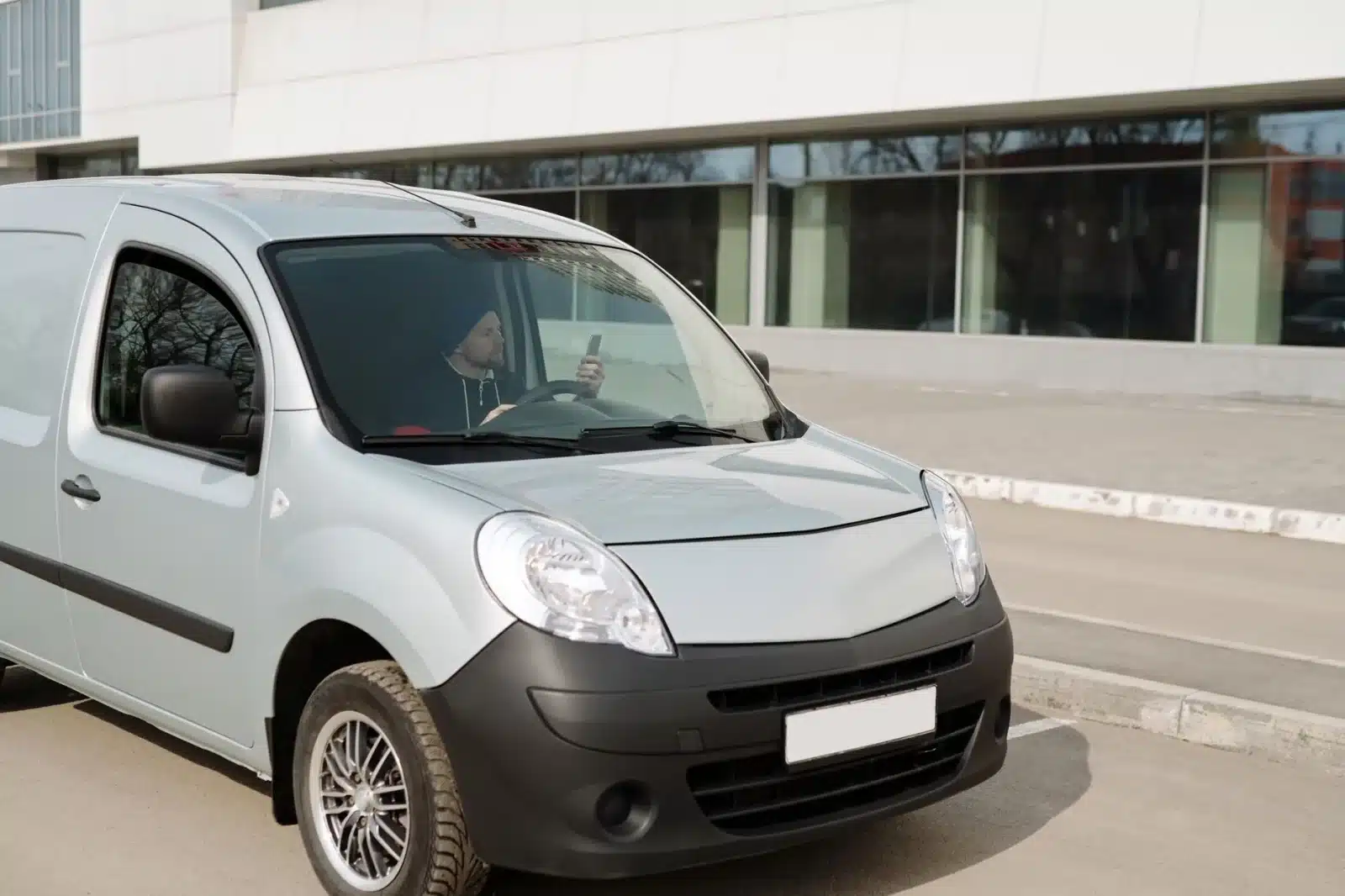
The official ranges (250 to 460 km WLTP) paint a rosier picture than reality. For a daily 150 km run in the Paris region, a Renault Kangoo E-Tech (285 km WLTP) will do the job, but with little margin for error in winter or when fully loaded. Conversely, a Mercedes eSprinter (440 km WLTP) suits long-haul routes, but its price and size make it viable only for larger fleets.
Two often-overlooked factors:
- Real-world consumption: A van loaded to 80% of its capacity will see its range drop by 20–30% compared to the manufacturer’s figures. Always test the model with your typical load before buying.
- Fast charging: Not all models support 100 kW charging. A Peugeot e-Expert, for example, maxes out at 50 kW—a detail to check if your routes require mid-day top-ups.
2. Purchase Incentives: What Changed in 2026 (and What’s Left)
The ecological bonus for businesses was scrapped entirely on 1 January 2025. No more direct purchase incentives for legal entities—a move that caught many SMEs off guard. In Île-de-France, the region still offers a €3,000 grant for fleets of fewer than 10 vehicles, provided you buy through an approved dealer. Elsewhere, here’s what remains:
- The scrappage scheme: If you scrap an old diesel van (Crit’Air 3 or worse), you can still claim up to €5,000, though micro-businesses must meet income criteria.
- Tax benefits: VAT remains 100% reclaimable for vans (vs. 50% for passenger vehicles), and the Company Vehicle Tax (TVS) doesn’t apply to CTTE (light commercial vehicle) models.
3. Charging a Fleet: Solutions That Don’t Require Reinventing the Wheel
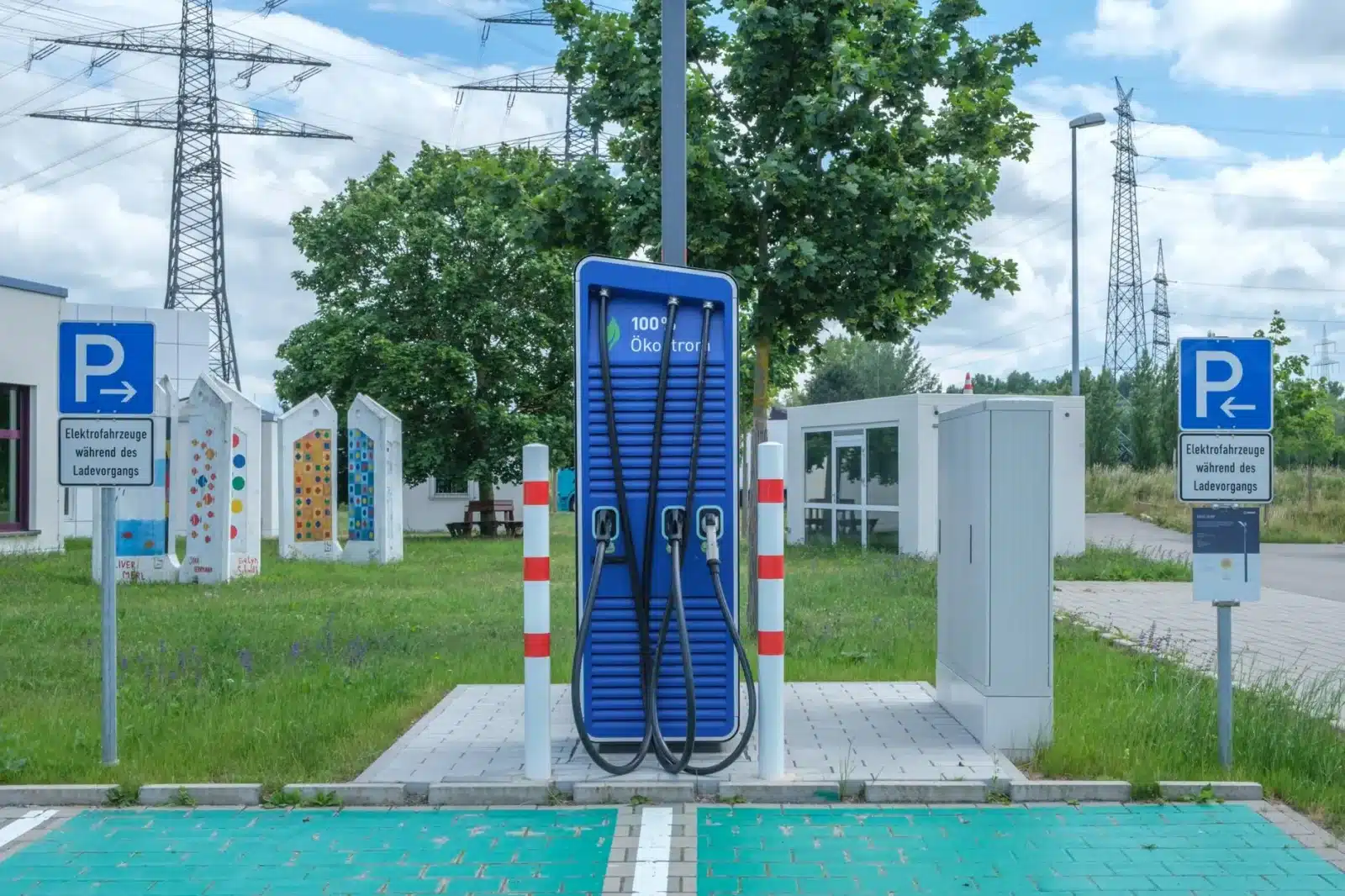
Installing chargers for a fleet demands a proper strategy. Three practical scenarios:
- Overnight charging on private premises: The simplest solution. Expect to pay €1,500–€3,000 per charger (7–22 kW), with ADEME (French Environment and Energy Management Agency) grants covering up to 50% of costs. Ideal for fleets that operate by day and charge at night.
- Daytime charging at client sites: If your teams work at client locations with chargers, a Chargemap Pro card avoids heavy infrastructure investment. Check network coverage in your operating areas.
- Motorway fast charging: Essential for long routes. Models compatible with 100 kW (like the Ford E-Transit) can recover 80% charge in 30 minutes, but watch the costs (€0.50–€0.70/kWh for rapid charging).
One often-missed point: power management. A fleet of 10 vans charging simultaneously at 22 kW requires a 220 kW subscribed capacity—meaning prohibitive EDF subscription costs. The fix? Smart chargers that smooth out demand or buffer batteries to reduce peak load.
4. Which Model to Choose? A 2026 Comparison of Leading Electric Vans
| Model | WLTP Range | Payload/Volume | Starting Price (New) | Pros | Cons |
|---|---|---|---|---|---|
| Renault Kangoo E-Tech | 285 km | 600 kg / 3.9 m³ | €35,000 | Affordable, 50 kW charging | Limited range in winter |
| Peugeot e-Expert | 330 km | 1,000 kg / 6.1 m³ | €42,000 | Generous volume, pro finish | Slow charging (50 kW max) |
| Ford E-Transit | 350 km | 1,600 kg / 9.6 m³ | €55,000 | High payload, 100 kW charging | High price, bulky |
| Mercedes eSprinter | 440 km | 1,000 kg / 11 m³ | €65,000 | Record range, comfort | High maintenance costs |
5. Mistakes to Avoid When Switching to Electric Vans

- Underestimating winter charging: At -5°C, range can drop by 30%. Build in a safety margin, especially for long routes.
- Skipping driver training: Eco-driving (anticipation, regenerative braking) can boost range by 10–15%. A one-day course often pays for itself.
- Forgetting charger installation grants: ADEME offers subsidies for businesses, but applications must be submitted before work begins. Your local Chamber of Commerce [link to hub régions] lists up-to-date local schemes.
- Choosing a model that doesn’t fit your routes: A van with 250 km range works for urban trips but won’t suit 300 km daily runs. Analyse your actual routes before deciding.
6. Leasing vs. Buying: Which Financing Option Works Best for Your Fleet?
Long-term leasing (LLD) is increasingly popular with businesses—and for good reason:
- Tax benefits: Lease payments are 100% deductible from taxable profits, and VAT is fully reclaimable for vans (exclusive business use).
- No depreciation risk: The vehicle is returned at the end of the contract, with no resale hassle.
- Maintenance included: Most LLD contracts cover servicing and tyres, simplifying fleet management.
Buying only makes sense if you cover over 30,000 km/year and keep vehicles for at least five years. Otherwise, leasing is simpler and often cheaper in the long run.
A concrete example: For a Renault Kangoo E-Tech, leasing costs around €500/month over 48 months (with maintenance). Buying would total roughly €40,000 (excluding depreciation)—a €4,000 premium for leasing, but with simpler management and no risk.
7. Where to Buy Your Electric Van? The Best Options in 2026
Several routes are open to you:
- Authorised dealers: Renault, Peugeot, Ford, and Mercedes offer full electric van ranges, with financing tailored to businesses. Perk: manufacturer warranties (typically 8 years on the battery).
- Long-term leasing companies: Arval, LeasePlan, or ALD Automotive provide LLD contracts with recent, well-maintained vehicles. Ideal for businesses that don’t want to handle resale.
- Professional used-van platforms: Spoticar (Renault’s network) or the Domaine auctions offer used electric vans with warranties. A good bet for tight budgets—just check the battery’s condition (remaining capacity, charging history).
- Electric-vehicle specialists: Companies like Beev or Electra offer turnkey solutions (purchase + charger installation). Useful for fleets that want to outsource everything.
One tip: Always request a test drive with your typical load. An electric van handles differently from a diesel—especially in terms of acceleration and regenerative braking.
8. Licences, Registration, and Taxes: What Changes with an Electric Van
Switching to electric doesn’t change the paperwork, but a few key points:
- Licence: A standard car licence (B) is enough for an electric van, provided its gross vehicle weight (PTAC) doesn’t exceed 3.5 tonnes. Above that, a Category C licence is required.
- Registration: The CTTE (light commercial vehicle) designation in section J.1 of the registration certificate is mandatory to qualify for tax benefits (TVS exemption, VAT reclaim).
- Taxes: Electric vans are exempt from the Company Vehicle Tax (TVS) and the ecological penalty. However, the regional registration tax still applies (around €50 on average).
- Low-emission zones: Electric vans qualify for a green Crit’Air sticker, granting unrestricted access to all Low-Emission Zones (ZFE).