

A weekend in Brittany with two bikes on the rack, or a family tour of Europe—before setting off, it’s best to check that your motorhome insurance covers more than just a simple accident. Because a motorhome is both a vehicle and a home, standard policies often fall short. Here’s what you absolutely need to check, from additional cover to parking rules, to avoid nasty surprises.
Why your standard car insurance isn’t enough
A motorhome is a vehicle, but it’s also a home. While your car insurance covers damage in case of an accident, it won’t necessarily protect your bikes mounted on the back, your built-in fridge, or your gas stove.
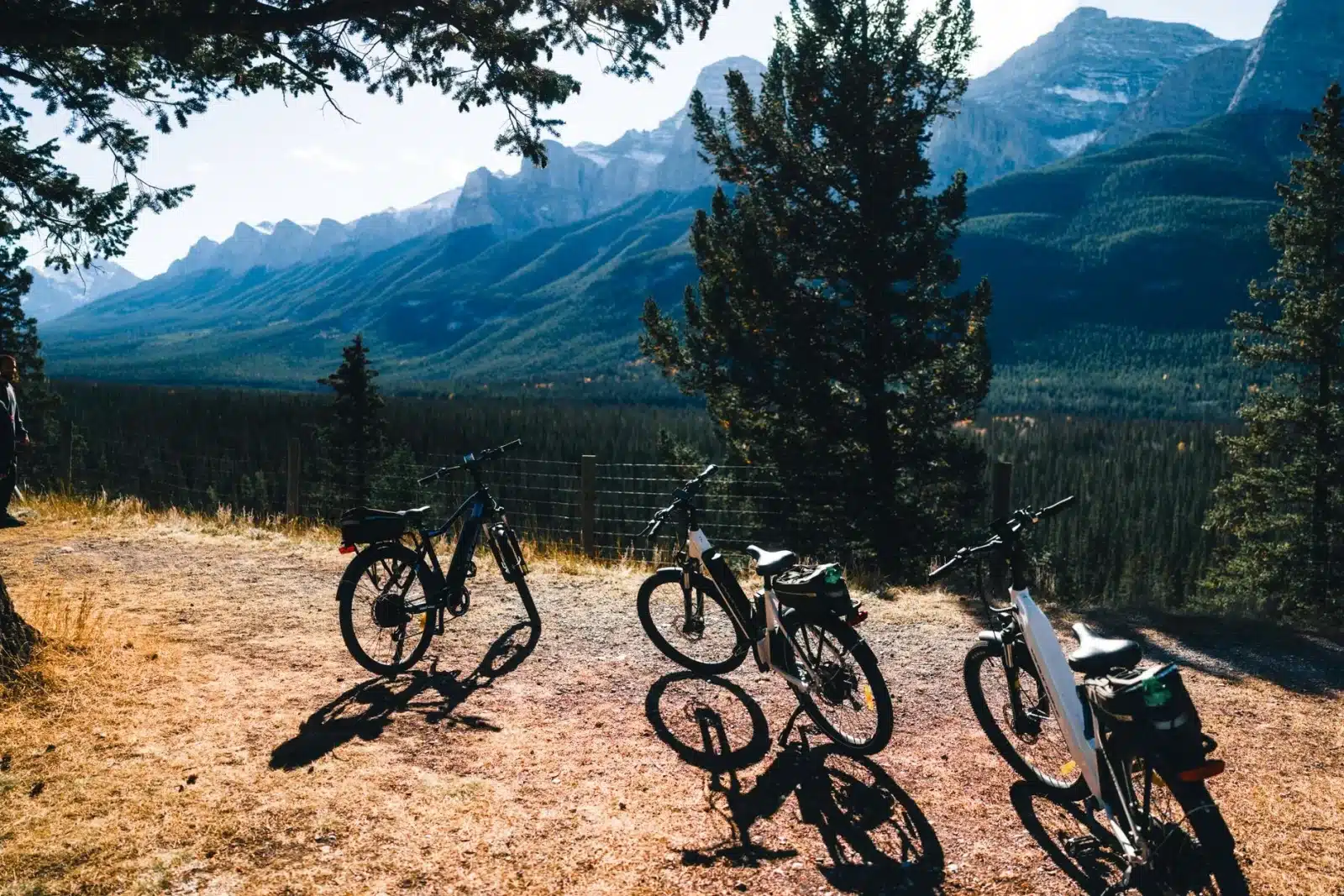
Take this example: you set off on holiday with two electric bikes worth €2,000 each. If someone steals them while you’re sleeping at a motorhome service area (aire de camping-car), your standard car insurance won’t reimburse you. The same goes for your fitted kitchen or bedding—without extra cover, you’ll have to foot the bill yourself if something goes wrong.
Key cover to remember
- Vehicle contents – covers your interior equipment (bedding, kitchen, electronics) in case of theft or damage.
- Bike rack and accessories – essential if you’re carrying bikes, skis, or hiking gear. Make sure theft is included.
- 0km breakdown cover – so you can get help even if you break down at an isolated service area, with no towing fees.
How much does motorhome insurance cost?
Between €200 and €600 a year, depending on whether you choose third-party or comprehensive cover. For a newer campervan, expect to pay between €300 and €500.

| Type of vehicle | Policy type | Average cost (per year) |
|---|---|---|
| Used motorhome (value < €30,000) | Third-party only | €200 – €350 |
| New motorhome (value > €50,000) | Comprehensive | €500 – €600 |
| Campervan (value < €40,000) | Third-party, fire and theft | €300 – €450 |
These prices include third-party liability, but not the extras mentioned above. To avoid surprises, compare quotes on platforms like LesFurets or LeLynx—and check the excess, which can push up the cost if you make a claim.
Parking and camping: what’s allowed (and what’s not)
You can park your motorhome on public roads, just like any other vehicle, as long as you don’t block traffic or annoy local residents. However, putting out levelling ramps, extending the awning, or setting up a table and chairs on the pavement is illegal—and could land you a fine.
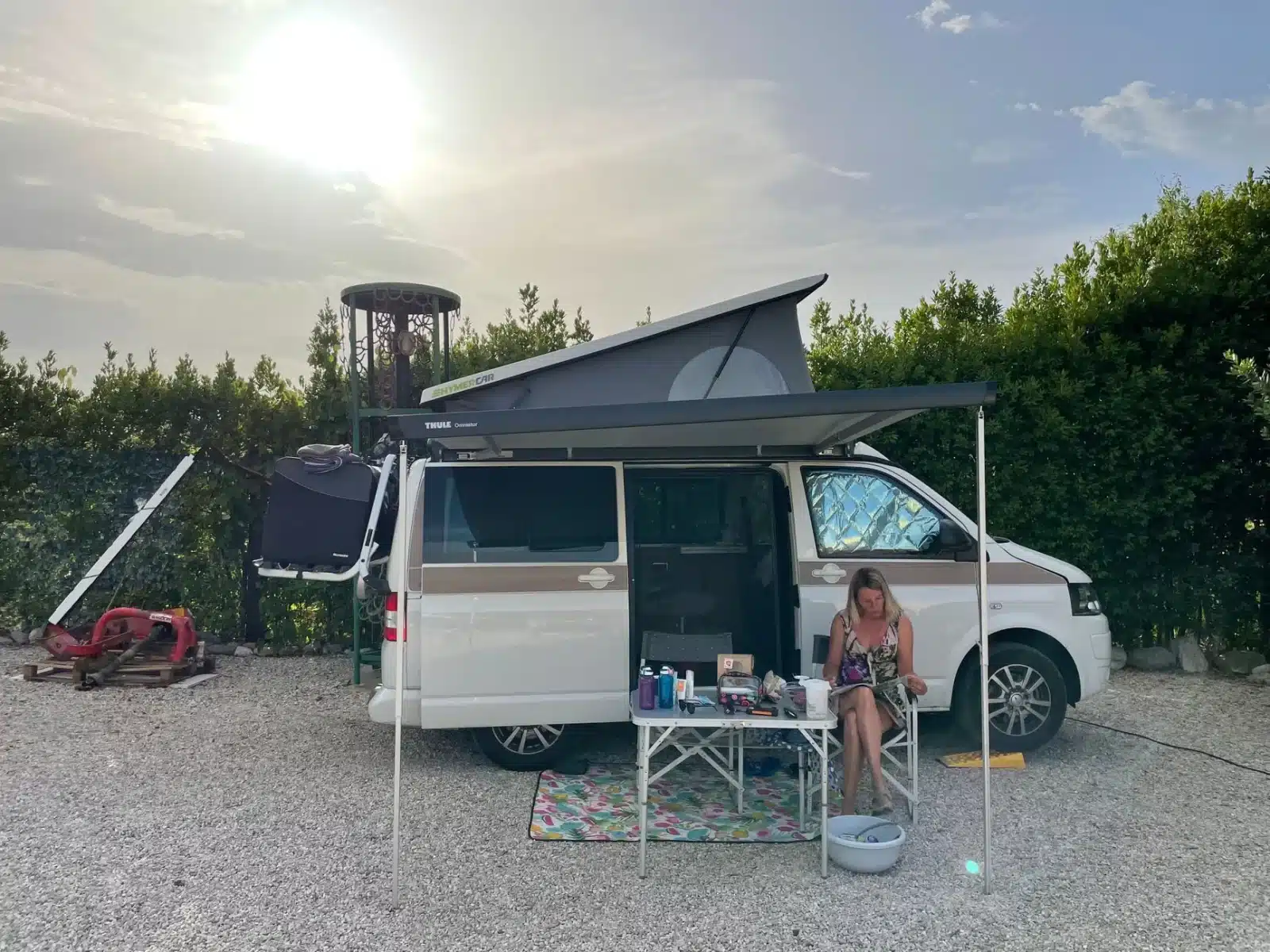
By-laws that specifically ban motorhome parking are often ruled illegal as discriminatory. If you get an unfair fine, you can challenge it based on legal precedent (French Senate response no. qSEQ241001232).
Where to park your motorhome safely
- Motorhome service areas (aires de camping-car) – often free or cheap (€5 to €15 a night), with facilities (water, electricity, waste disposal).
- Campsites – pricier (€15 to €30 a night), but with access to showers and activities.
- Public car parks – allowed unless signs say otherwise (e.g. “No motorhomes”). Avoid residential areas or tight spaces—you might block traffic.
Campervans: the VASP approval step most people forget
If you’ve converted your van or panel van yourself, you may need to get VASP approval (Véhicule Automoteur Spécialisé). This is mandatory if your conversion meets these five criteria:
- Fixed storage (shelves, cupboards).
- Fixed table and seating.
- Bench seat that converts into a bed (or fixed bed).
- Fixed kitchen (gas, electric, or diesel—portable stoves don’t count).
- Permanent fittings (can’t be removed in under two hours).
Without this approval, your insurer could refuse to cover you in case of an accident. The process costs around €150 and lasts for the lifetime of the vehicle. A small detail not to overlook, especially if you’ve invested in a custom conversion.
How to choose from the articles in this sub-section
This sub-section covers all the legal and insurance aspects of motorhomes and campervans. Here’s how to find the article that fits your needs:
- Do you often drive on motorways and want to know the speed limits for vehicles over 3.5 tonnes? Our article on motorhome speed limits is for you.
- Do you regularly use toll roads (péages) and want to avoid surprises? Check out our guide on motorhome toll classes.
- Looking for the best insurance for your budget? Our motorhome insurance comparison will help you see things more clearly.
- Want to know where to park your motorhome in town without risking a fine? The article on urban parking rules has all the answers.
Each article goes into detail on a specific point, but they all share the same goal: helping you avoid pitfalls and hit the road with peace of mind.
Pitfalls to avoid before setting off
Hitting the road in a motorhome or campervan means freedom—provided you don’t fall into these common traps:
Skipping extra cover means risking out-of-pocket costs if something gets stolen or damaged. For example, if your bikes disappear overnight, standard car insurance won’t reimburse you. The same goes for VASP approval—without it, your insurer could refuse to pay out after an accident.
When it comes to parking, steer clear of residential areas or tight car parks—even if it’s allowed, you might annoy locals and cause problems. And don’t just go with the first insurance quote you find: prices can vary wildly between providers, so comparing is a must.
Motorhome insurance: what the law says
In France, insurers must follow strict rules to protect consumers. For example, they have to clearly explain what your policy covers—and what it doesn’t. If you buy insurance online, you have 14 days to cancel without penalty. And in case of a claim, the insurer must pay out for material damage within three months at most.
If you’re unsure about a clause or a refusal to pay out, you can contact the Insurance Mediator (Médiateur de l’Assurance), a free and independent service. A useful option if you feel your insurer isn’t playing fair.